
Quick Answer
A gingivectomy removes excess or diseased gum tissue to restore healthy, manageable gum lines. Many patients in Chatham need one because stubborn plaque, overgrowth, or gum disease has created pockets that daily brushing cannot reach. Smart home care and a tooth-friendly diet often prevent the need for this surgery altogether, and they also speed recovery when it is required.
Choosing a gingivectomy in Chatham, ON often feels like the end of a long battle with inflamed, overgrown, or receding gums. However, the real story starts much earlier, at your bathroom sink and your dinner table. At Queen Street Family Dental on 575 Queen St, our team treats gum tissue surgically when necessary, yet we would rather help you protect it long before a scalpel or laser is ever needed. This guide explains what the procedure involves, who benefits, and how daily habits shape both prevention and recovery.
What Is a Gingivectomy, and Who Actually Needs One?
A gingivectomy is the surgical removal of excess gum tissue. Specifically, it trims away the soft tissue that traps bacteria or hides diseased pockets around your teeth. Dentists recommend it for several reasons, so your situation guides the plan.
Firstly, it treats advanced gum disease when pockets stay deep despite cleaning. Secondly, it corrects gum overgrowth, which certain medications can trigger. According to a review in Dermatologic Therapy, drugs such as calcium channel blockers and cyclosporine can cause fibrous gingival overgrowth that bleeds and complicates eating. Additionally, some patients inherit thicker gum tissue; a systematic review in Clinical Oral Investigations describes hereditary gingival fibromatosis as a slow, progressive overgrowth that often needs surgical management.
Furthermore, a gingivectomy can reshape a “gummy” smile. Research in Dental Clinics of North America notes that laser-assisted gingivectomy offers reduced bleeding and faster soft-tissue healing compared with conventional methods. Consequently, the technique serves both health and cosmetic goals.
Prevention First: Daily Home Care That Protects Your Gums
Most gum problems begin with plaque that hardens into tartar below the gum line. Therefore, consistent home care is your strongest defence. The Canadian Dental Association recommends brushing twice daily and cleaning between your teeth every day to prevent gingivitis before it progresses.
A simple routine that works
- Brush for two full minutes with a soft-bristled brush, angled gently toward the gum line.
- Floss or use interdental brushes daily, because a toothbrush misses roughly a third of each tooth surface.
- Replace your brush every three months, or sooner once bristles splay.
- Rinse after sticky snacks when brushing is not possible.
However, technique matters more than force. Scrubbing hard actually damages tissue and can accelerate recession. Instead, aim for thorough but gentle contact, and let the bristles do the work.
Eat for Healthier Gums: A Dental-Friendly Diet in Chatham
Your food choices feed either your teeth or the bacteria attacking them. Fortunately, small swaps add up quickly. Crunchy vegetables like carrots and celery stimulate saliva, which naturally rinses away debris and neutralizes acid.
Additionally, vitamin C supports gum collagen, so citrus, peppers, and strawberries belong on your plate. Dairy and leafy greens supply calcium that strengthens the bone anchoring your teeth. Conversely, frequent sugary drinks and sticky candies fuel plaque, especially when sipped slowly throughout the day. Specifically, it is the frequency of sugar exposure, not just the amount, that drives decay and inflammation. Drinking water with meals helps wash acids away between brushings.
What to Expect During and After the Procedure
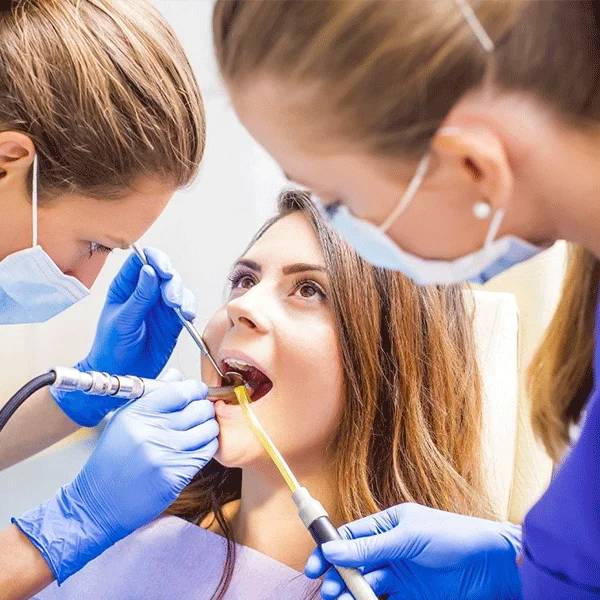
If a gingivectomy becomes necessary, the appointment is usually straightforward. First, your dentist numbs the area with local anesthetic, so you stay comfortable. Then, excess or diseased tissue is removed and reshaped, often using a dental laser for precision. Most cases finish within an hour.
Recovery is generally mild. Nevertheless, you may notice tenderness for a few days, so stick to soft, cool foods at first. Furthermore, gentle rinsing keeps the area clean while it heals. Patients who already maintain excellent oral hygiene tend to recover faster, because their surrounding tissue is healthier to begin with.
For patients who feel nervous about any gum procedure, Queen Street Family Dental offers comfort-focused options, including sedation dentistry to ease anxiety. Moreover, the practice provides a full spectrum of periodontal care, so follow-up treatments stay convenient and coordinated.
How Gingivectomy Compares With Other Gum Treatments
A gingivectomy is not always the first step. Often, deep cleaning resolves early gum disease before surgery is needed. Our team frequently begins with scaling and root planing, which removes tartar from beneath the gum line and smooths the roots so tissue can reattach.
However, when pockets remain deep or tissue overgrows, surgical removal becomes the better option. The Ontario Dental Association emphasizes that untreated gum disease can lead to tooth loss, so timely intervention protects your long-term oral health. Ultimately, your dentist will match the treatment to the severity of your condition.
Frequently Asked Questions
Is a gingivectomy painful?
No, the procedure itself is not painful because local anesthetic fully numbs the area. Afterward, mild tenderness is common for a few days, and over-the-counter pain relief usually manages it well.
How long does recovery take?
Most people feel comfortable within a week. However, complete tissue healing can take a few weeks, so gentle brushing and soft foods help the gums settle.
Can good home care prevent the need for a gingivectomy?
Often, yes. Consistent brushing, daily flossing, a low-sugar diet, and regular checkups prevent most gum overgrowth and disease. Nevertheless, inherited tissue thickness or certain medications may still require surgery.
Will my gums grow back after the procedure?
Healthy gum tissue reshapes and firms up as it heals, but diseased tissue that was removed does not simply return. Consequently, maintaining strong daily habits keeps the new gum line healthy.
Book Your Gum Health Consultation in Chatham
Whether you want to prevent gum problems or you already need treatment, early action makes everything easier. Our Chatham team will assess your gums, explain your options clearly, and build a plan around your goals. Contact Queen Street Family Dental today to schedule a consultation and protect your smile for years to come.
Sources & References
- Canadian Dental Association, “Gingivitis”
- Ontario Dental Association, “Gum Disease”
- Laser-Assisted Gingivectomy to Treat Gummy Smile (Dent Clin North Am, 2022)
- Hereditary gingival fibromatosis in children: a systematic review (Clin Oral Investig, 2021)
- Cyclosporine-induced gingival overgrowth Review (Dermatol Ther, 2022)