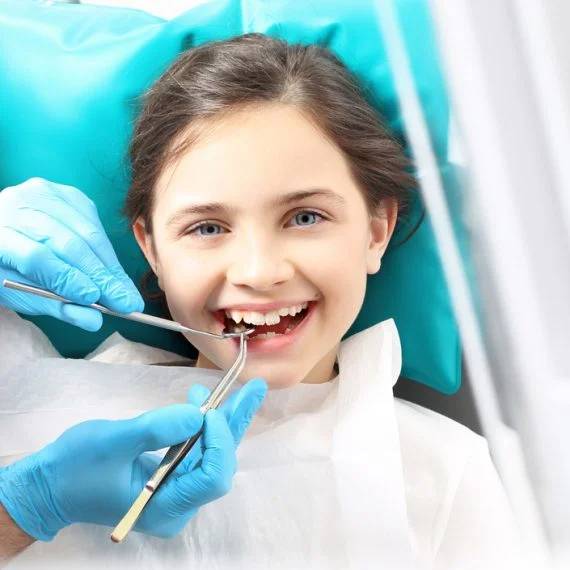
When you require tooth extractions in Chatham, ON, finding a trusted local provider is your first priority. Queen Street Family Dental understands that the prospect of oral surgery can feel overwhelming for many families. However, our experienced team is dedicated to making the process as smooth and stress-free as possible. Whether your child needs a primary tooth removed or you require a complex surgical extraction, we provide comprehensive care tailored to your needs. Consequently, we focus on both the physical procedure and the emotional comfort of our patients.
Why Families Need Tooth Extractions in Chatham, ON
Tooth extractions are typically recommended when a tooth is beyond repair or poses a risk to the rest of your mouth. Specifically, severe tooth decay, advanced gum disease, or dental trauma are common reasons for this procedure. According to the Canadian Dental Association (CDA), removing a problematic tooth can prevent the spread of infection to the jawbone and neighboring teeth. Furthermore, extractions are often necessary for orthodontic reasons to address overcrowding. Therefore, removing a single tooth can sometimes be the best way to ensure the long-term alignment and health of your entire smile.
Additionally, many teenagers and young adults require extractions for their wisdom teeth. These third molars often become impacted, meaning they do not have enough room to emerge properly. This can cause significant pain and potential damage to adjacent teeth. Consequently, our team at Queen Street Family Dental monitors the development of wisdom teeth during regular check-ups. If we detect a problem, we provide the necessary tooth extractions in Chatham, ON to prevent future complications. Ultimately, our goal is to maintain the structural integrity of your jaw and the health of your gums.
The Process of Tooth Extractions in Chatham, ON
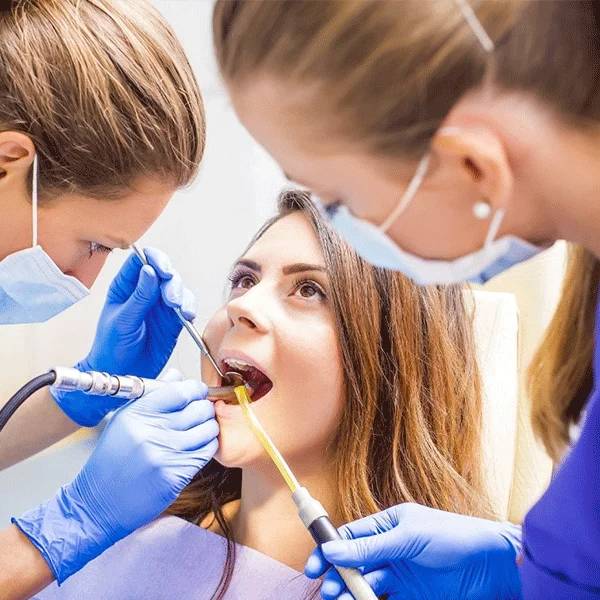
The extraction process begins with a thorough examination and digital X-rays to assess the tooth’s position. Specifically, we evaluate the root structure and surrounding bone to plan the most efficient removal method. On the day of the procedure, we prioritize your comfort by using local anesthetic to numb the area completely. Indeed, you should feel pressure during the treatment, but you should not feel any sharp pain. Based on guidelines from the Ontario Dental Association (ODA), modern dental techniques have made extractions faster and more predictable than ever before.
For a simple extraction, the dentist uses specialized tools to gently loosen the tooth from its socket. However, if the tooth is broken at the gum line or remains impacted, a surgical extraction may be required. This involves a small incision in the gum tissue to access the tooth. Regardless of the complexity, Queen Street Family Dental utilizes precise methods to minimize trauma to the surrounding tissues. Moreover, we provide clear communication throughout the appointment so you always know what to expect. Thus, we ensure that tooth extractions in Chatham, ON are handled with the highest level of clinical excellence.
Recovery and Aftercare Following Oral Surgery
Proper aftercare is vital for a quick and successful recovery after tooth extractions in Chatham, ON. Immediately following the procedure, we will have you bite down on a gauze pad to help a blood clot form. This clot is essential for healing, as it protects the underlying bone and nerves. Therefore, you must avoid smoking, using straws, or vigorous rinsing for at least 24 hours. Additionally, we recommend sticking to soft foods like yogurt, applesauce, or lukewarm soup during the initial healing phase. Specifically, avoiding hard or crunchy foods prevents irritation to the extraction site.
Most patients experience some minor swelling or discomfort, which can typically be managed with over-the-counter pain relief. However, if you experience severe pain or excessive bleeding, you should contact us immediately. Furthermore, keeping the rest of your mouth clean is important, but you should be very gentle near the surgical site. By following our detailed post-operative instructions, you can ensure a smooth transition back to your normal routine. Consequently, most families find that they are back to their regular activities within just a few days. If you have questions about our dental services, our team is always here to help.
Schedule Your Consultation Today
At Queen Street Family Dental, we are proud to serve the Chatham community with reliable and compassionate dental care. If you or a family member are experiencing dental pain, do not wait for the problem to worsen. We invite you to contact us today to discuss your options for tooth extractions in Chatham, ON. Together, we can restore your oral health and keep your family smiling for years to come.
Frequently Asked Questions
How long does it take to recover from a tooth extraction?
Initial healing usually takes about 7 to 10 days. During this time, the gum tissue closes over the extraction site. However, the underlying bone can take several months to fully heal and densify.
Are tooth extractions painful?
The procedure itself is not painful because we use local anesthesia to numb the area. You may feel some pressure, but the numbing agent prevents pain. Some soreness is normal after the freezing wears off, but this is manageable with standard pain medication.
What can I eat after having a tooth removed?
You should stick to soft, cool foods for the first 24 to 48 hours. Examples include smoothies, pudding, mashed potatoes, and scrambled eggs. Avoid hot liquids and spicy foods, as these can irritate the surgical site.
Why would I need a surgical extraction instead of a simple one?
A surgical extraction is necessary if the tooth hasn’t fully erupted or has broken off at the gum line. This requires a small incision to safely remove the tooth structure without damaging the jawbone.
Sources & References
- Canadian Dental Association (CDA): https://www.cda-adc.ca
- Ontario Dental Association (ODA): https://www.oda.ca
- Royal College of Dental Surgeons of Ontario (RCDSO): https://www.rcdso.org