
Quick Answer: No, not everyone needs a checkup every 6 months. Current evidence supports risk-based recall, so your dentist sets your visit interval from your own risk of cavities, gum disease and other problems. Some patients need to come in every 3 months. Others with very stable oral health can safely wait longer.
Most of us grew up hearing that a checkup every 6 months is the rule for everyone. At Queen Street Family Dental in Chatham, ON, patients ask about this rule all the time. In fact, the six-month interval has no strong scientific basis. Dental research has instead moved toward risk-based recall, which means each patient gets a schedule built around their own mouth. This post explains where the six-month habit came from, what the research says, and how our team decides when you should come back.
Where Did the Checkup Every 6 Months Come From?
The six-month rule began as a habit, not a research finding. It spread through dental offices and insurance plans during the twentieth century, and it stuck because it was simple to remember. However, nobody ever proved that six months suited every patient equally.
Medicine has faced a similar question. For example, a 2021 review in JAMA on general health checks in adult primary care noted that patients, clinicians and insurers often expect routine checkups, while others question their value. Dentistry went through the same rethink. As a result, researchers began to ask a better question: how often does this patient need to be seen?
What Is Risk-Based Recall?
Risk-based recall means your dentist sets your next visit based on your personal risk, not a fixed calendar. Specifically, the dentist looks at your history, your current oral health and your habits, then recommends an interval that matches.
This approach has solid backing. For instance, national guidance in the United Kingdom (NICE) recommends adult recall intervals anywhere from 3 to 24 months, depending on risk. For patients under 18, that guidance suggests 3 to 12 months, because young teeth can decay faster. Similarly, the Canadian Dental Association explains on its Regular Dental Checkups page that regular exams help find problems early, when treatment is simpler.
Factors That Shorten Your Recall Interval
Certain factors usually mean you should visit more often. These include:
- New cavities in the past year or several existing fillings
- Bleeding gums, deep gum pockets or a history of periodontal disease
- Smoking, vaping or frequent alcohol use
- Diabetes or medications that cause dry mouth
- Frequent snacking or sugary drinks
- Crowns, bridges, implants or dentures that need monitoring
Factors That May Allow a Longer Interval
On the other hand, some adults have very low risk. They have had no new decay in years, their gums stay healthy, and they keep up excellent home care. For these patients, a longer gap between visits can be perfectly reasonable. Still, that decision belongs to your dentist after a full exam, not to a guess.
How Our Chatham Dentists Set Your Checkup Schedule
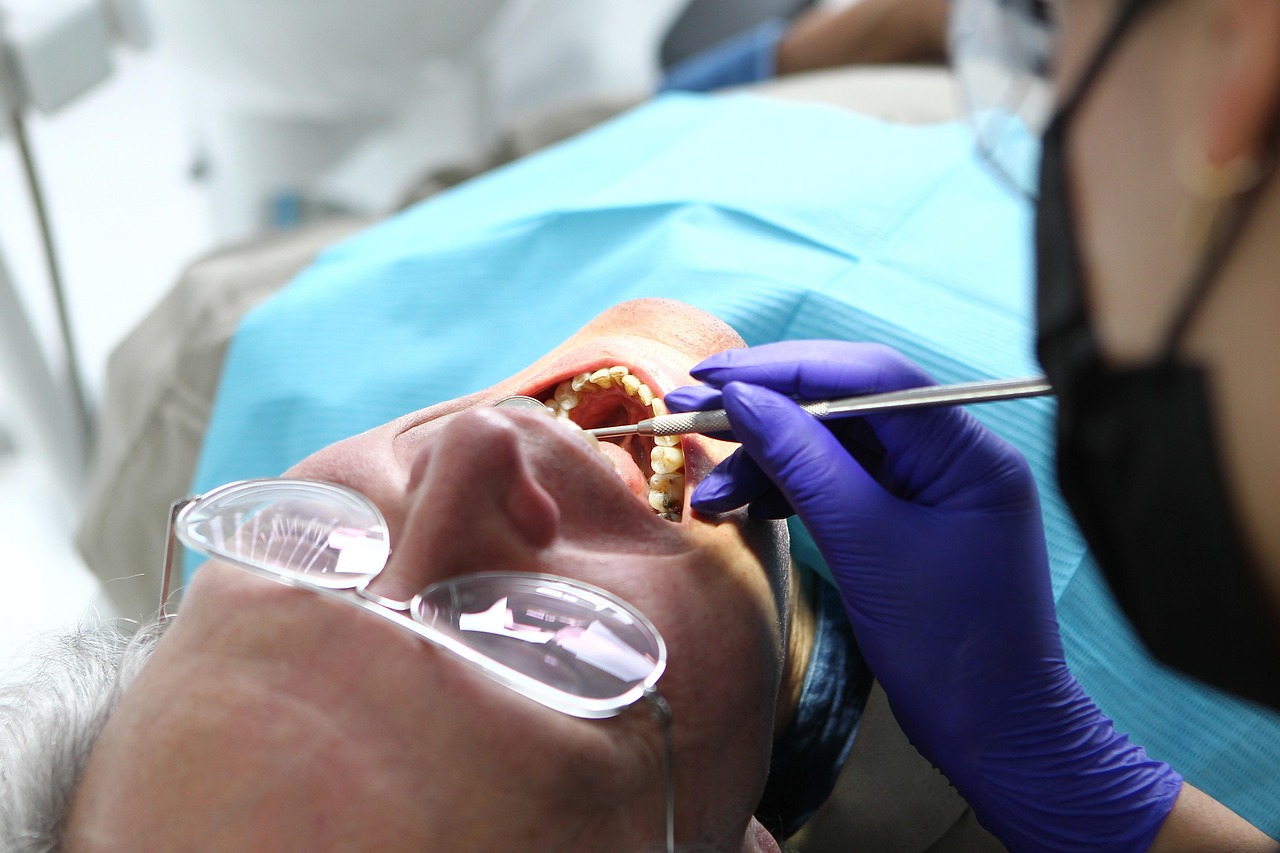
At Queen Street Family Dental, your recall interval comes out of your exam. During your dental exam and checkup, our dentists check each tooth, measure your gums and review your medical history. Additionally, they may use digital X-rays to spot decay between teeth or bone changes below the gumline.
Next, we talk with you about what we found. A patient with active gum disease, for example, might return every 3 months after scaling and root planing. Meanwhile, a child at high risk of cavities may benefit from fluoride treatments and dental sealants, plus more frequent visits. Consequently, two members of the same Chatham family can end up on quite different schedules.
We also review your interval at every visit. Your risk can change after a pregnancy, a new medication, orthodontic treatment or a change in diet. Therefore, the schedule we set today is not permanent.
Is Skipping Checkups Ever Safe?
Stretching your interval on your own is not the same as risk-based recall. The research supports longer gaps only for patients whose dentist has confirmed low risk. Without an exam, you cannot know whether a small cavity or early gum pocket has started.
Furthermore, a checkup covers more than teeth. Each visit includes an oral cancer screening, a bite check and a look for signs of grinding that a night guard could address. Many of these problems cause no pain at first. In other words, feeling fine does not guarantee your mouth is healthy.
What Risk-Based Recall Means for Your Wallet
Many insurance plans still cover cleanings on a set schedule, often every 6 or 9 months. However, some plans now allow extra periodontal visits for patients who need them. Our front desk team can help you check what your plan covers. We also accept the Canadian Dental Care Plan (CDCP), which helps many eligible Chatham residents afford regular preventive care. The CDA’s Dental Care FAQs offer more general guidance on routine care.
Frequently Asked Questions
Do adults really need a checkup every 6 months?
Not always. Low-risk adults may safely go longer between visits, while higher-risk adults may need visits every 3 to 4 months. Your dentist sets the interval after a full exam.
How often should children see the dentist?
Children generally need more frequent visits than low-risk adults because their teeth can decay quickly. Most children do well with visits every 3 to 12 months, depending on their cavity risk.
Why would my dentist recommend visits every 3 months?
A 3-month recall usually applies to patients with gum disease, frequent new cavities or health conditions such as diabetes. Shorter intervals help control bacteria before damage spreads.
Can my recall interval change over time?
Yes. Our dentists reassess your risk at every visit. Better home care can lengthen your interval, while new health changes may shorten it.
Book a Checkup Built Around You
You deserve a schedule based on your mouth, not a decades-old habit. Queen Street Family Dental welcomes patients of all ages at 575 Queen St in Chatham, and we stay open until 7pm on Wednesdays for busy families. Contact our team today to book your exam and find out which recall interval suits you.
Sources & References
- Canadian Dental Association: Regular Dental Checkups
- Canadian Dental Association: Dental Care FAQs
- General Health Checks in Adult Primary Care: A Review (JAMA, 2021)