Quick Answer
Yes, yogurt after wisdom teeth removal is one of the safest first foods you can choose. It is soft, cool, and requires no chewing, so it will not disturb the healing sockets. Furthermore, plain unsweetened yogurt delivers protein and friendly bacteria that support both your recovery and your wider body wellness.
Patients at Queen Street Family Dental in Chatham, ON frequently ask whether yogurt is a smart choice in the days after surgery. The short answer is a confident yes. However, the reasons run deeper than simple comfort. What you eat while your mouth recovers also influences your oral hygiene, your gut, and even systemic markers tied to heart and metabolic health. Consequently, that humble cup of yogurt does more work than most people realize.
Can I Eat Yogurt After Wisdom Teeth Removal?
Absolutely, and typically within the first day. Yogurt is soft enough to swallow without chewing, so it protects the fresh blood clot in each socket. Additionally, its cool temperature soothes tender gum tissue and can ease mild swelling. Choose smooth, plain varieties rather than options packed with sugar, granola, seeds, or fruit chunks. Specifically, avoid anything crunchy, because stray particles can lodge in the extraction site and trigger irritation.
One more practical tip matters here. Do not eat yogurt with a straw or suck it off the spoon forcefully. The suction can dislodge the clot and lead to a painful dry socket. Instead, let the yogurt rest gently in your mouth and swallow slowly. According to the Ontario Dental Association, sticking to soft foods and avoiding straws during early recovery helps the site heal predictably.
Why Yogurt Is a Standout Soft Food
Soft foods keep you fed, but yogurt offers extra value. First, it is a quality protein source, and protein is the raw material your body uses to rebuild tissue. Second, many yogurts contain live probiotic cultures. These friendly bacteria support a balanced microbiome in your gut and mouth. Consequently, you nourish your recovery while keeping your digestion steady, which is welcome when pain medication can otherwise slow things down.
The Oral Hygiene and Whole-Body Connection
Your mouth is not an isolated system. Instead, it is a gateway to the rest of your body, and the bacteria living there interact with your overall health. Decades of research link poor oral hygiene and gum inflammation to broader problems, including cardiovascular disease and difficulty controlling blood sugar in people with diabetes. Therefore, protecting your mouth during healing is also an investment in your heart and metabolic wellness.
Here is where yogurt earns another point. The probiotic cultures it contains may help maintain a healthier balance of oral bacteria. Meanwhile, its low acidity and lack of added sugar make it far gentler on your teeth than juice or soda. For people managing diabetes, unsweetened yogurt also avoids the blood sugar spikes that can slow wound healing. Specifically, steady glucose levels help the extraction sites close on schedule.
Inflammation is the common thread. When gum disease festers, the resulting inflammation does not stay put; it circulates through the bloodstream. A review published in the American Journal of Translational Research noted that a compromised oral environment during the surgical recovery period can affect healing and overall patient outcomes. Keeping your mouth clean and well nourished, therefore, supports far more than your smile.
How to Protect Oral Hygiene While You Heal
Good habits matter even when brushing feels awkward. For the first 24 hours, avoid rinsing vigorously. After that, your dentist may recommend gentle warm salt water rinses to keep the area clean. Additionally, keep brushing your other teeth carefully, steering clear of the surgical sites. These small steps reduce bacterial buildup and lower your inflammation load during a vulnerable window.
What Else to Eat (and Avoid) After Surgery
Yogurt pairs nicely with other soft, nutrient-dense options. Mashed potatoes, blended soups served lukewarm, smooth applesauce, scrambled eggs, and oatmeal are all gentle choices. Furthermore, cold smoothies eaten with a spoon can be refreshing, provided you skip the straw and avoid seedy fruits like berries with pips. Hydration also helps, so sip water regularly throughout the day.
On the other hand, several foods deserve a pause. Skip anything crunchy, spicy, acidic, or very hot for the first several days. Nuts, chips, popcorn, and citrus can all irritate the sockets. Additionally, avoid alcohol while taking prescribed pain medication. The Canadian Dental Association advises following your dental team’s aftercare instructions closely to reduce complications after an extraction.
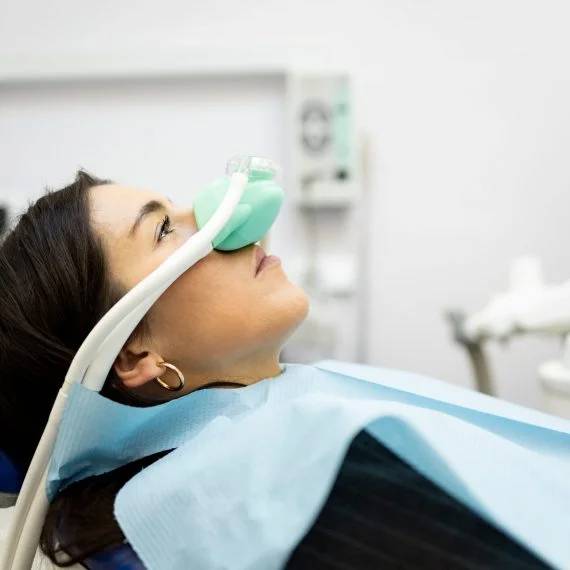
Our team performs wisdom teeth removal with a focus on comfortable, predictable recovery. For patients who feel anxious about surgery, we also offer sedation dentistry options to make the experience calmer and more relaxed.
When to Call Your Dentist
Most recoveries progress smoothly, but a few signs warrant a call. Contact us if you notice throbbing pain that worsens after day three, which can indicate a dry socket. Similarly, fever, spreading swelling, or an unpleasant taste that will not clear deserves prompt attention. However, mild soreness, slight swelling, and tenderness are normal and usually fade within several days.
Frequently Asked Questions
How soon after wisdom teeth removal can I eat yogurt?
Most patients can enjoy yogurt within the first several hours to a day after surgery. It requires no chewing, so it is gentle on healing sockets. However, eat it with a spoon rather than a straw to protect the blood clot.
Is Greek yogurt a good choice after an extraction?
Yes, plain Greek yogurt works well because it is smooth and high in protein. Additionally, its protein supports tissue repair during recovery. Just choose an unsweetened version without added fruit chunks, granola, or seeds.
Can yogurt help my recovery beyond just being soft?
It can. The live probiotic cultures in many yogurts support a balanced gut and oral microbiome. Furthermore, steady, low-sugar nutrition helps maintain the stable blood sugar that wound healing relies on.
Should I avoid flavoured yogurt after surgery?
Generally, yes, at least at first. Flavoured yogurts often contain added sugar, which feeds harmful oral bacteria. Plain yogurt is gentler on the extraction sites and better for your overall oral hygiene.
Book Your Recovery-Ready Care in Chatham
Choosing the right foods is one piece of a comfortable recovery, and our Chatham team is happy to guide you through every step. If you have wisdom teeth questions or need to schedule an extraction, reach out today. Call Queen Street Family Dental at 575 Queen St or visit our contact page to book a visit that fits your schedule.
Sources & References
- Ontario Dental Association, “Wisdom Teeth Removal”
- Canadian Dental Association, “Oral Surgery and Tooth Extraction”
- American Journal of Translational Research, “Status of the oral environment in patients with digestive system tumors during the perioperative period”